
Instructor
March 13, 2025 2025-03-13 6:02Instructor

Prof. G. Madhavi
Prof. Madhavi Godavarthy is a distinguished academic and a leading figure in the field of English language education, bringing over 34 years of teaching experience in India and abroad. As the Director of EnglishVoice, she has been instrumental in pioneering innovative teaching methodologies that integrate digital advancements with traditional pedagogical approaches.
Her profound expertise in English language instruction, coupled with her commitment to learner-centric education, has established EnglishVoice as a beacon of excellence in skill development and remedial education. Under her leadership, the platform has transformed into a dynamic ecosystem where educators and learners collaborate to elevate linguistic and professional competencies.

Robotics & Automation dynamics, and motion control
Course Overview: This course provides a comprehensive introduction to Robotics & Automation, covering fundamental principles, hardware components, control systems, and programming techniques. Students will explore real-world applications of robotics in industries such as manufacturing, healthcare, logistics, and AI-driven automation. The course includes hands-on experience with robotic hardware, sensors, actuators, and programming frameworks to develop autonomous systems. Course Objectives: By the end of this course, students will: Understand the core concepts of robotics and automation systems. Learn about robotic kinematics, dynamics, and motion control. Gain hands-on experience with robot programming and simulation. Explore sensor technologies, computer vision, and AI in robotics. Learn about industrial automation, PLCs, and robotic process automation (RPA). Develop and test autonomous robotic systems. Understand the future trends and ethical considerations in robotics. Course Modules: Module 1: Introduction to Robotics & Automation Definition and history of robotics Key components of a robot: sensors, actuators, controllers Types of robots: Industrial, service, mobile, humanoid Automation in modern industries Module 2: Kinematics, Dynamics & Motion Control Robot arm configurations and degrees of freedom (DoF) Forward and inverse kinematics Motion planning and trajectory generation Hands-on: Programming robotic arm movements
₹499.00
Extended Reality (XR) – AR/VR/MR
Course Overview: This course provides an in-depth understanding of Extended Reality (XR), covering Augmented Reality (AR), Virtual Reality (VR), and Mixed Reality (MR). Students will explore the fundamental concepts, technologies, and applications of XR across various industries. The course includes hands-on experience with AR/VR development tools, 3D modeling, interaction design, and immersive storytelling. By the end of the course, learners will have the skills to build interactive and engaging XR experiences. Course Objectives: By completing this course, students will: Understand the core concepts of AR, VR, and MR and how they differ. Learn about hardware and software used in XR development. Gain hands-on experience with Unity, Unreal Engine, and AR/VR SDKs. Develop 3D content and interactive XR applications. Explore user experience (UX) design principles for immersive environments. Understand spatial computing, hand tracking, and gesture recognition. Learn about real-world applications of XR in gaming, education, healthcare, and more. Course Modules: Module 1: Introduction to Extended Reality (XR) Overview of XR: AR, VR, and MR History and evolution of immersive technologies XR hardware: Headsets, controllers, sensors Applications and use cases across industries Module 2: Augmented Reality (AR) Fundamentals AR concepts and components AR development platforms: ARKit, ARCore, Vuforia Image and object recognition in AR Hands-on: Building a basic AR application
₹499.00
Cloud Computing & Virtualization
Course Overview: This course provides a comprehensive understanding of cloud computing concepts, architecture, and virtualization technologies. Students will explore various cloud service models (IaaS, PaaS, SaaS), deployment models (Public, Private, Hybrid, Multi-cloud), and key virtualization techniques used in modern IT infrastructure. The course covers cloud platforms like AWS, Azure, and Google Cloud, along with hands-on experience in setting up and managing virtualized environments. Course Objectives: By the end of this course, students will: Understand the fundamentals of cloud computing and its benefits. Learn about different cloud service and deployment models. Gain knowledge of virtualization technologies and hypervisors. Explore cloud security, compliance, and governance. Develop hands-on skills with cloud platforms and virtualization tools. Learn about containerization with Docker and Kubernetes. Understand cost optimization and cloud migration strategies. Course Modules: Module 1: Introduction to Cloud Computing Evolution and history of cloud computing Cloud computing models: IaaS, PaaS, SaaS Cloud deployment models: Public, Private, Hybrid, Multi-cloud Module 2: Virtualization Basics Concept and need for virtualization Types of virtualization: Server, Network, Storage, Desktop Hypervisors: Type 1 & Type 2 (VMware, Hyper-V, KVM)
₹499.00
Cybersecurity & Ethical Hacking
Course Description: The Cybersecurity & Ethical Hacking course provides a comprehensive understanding of cybersecurity principles, cyber threats, and ethical hacking techniques. Students will learn how to protect digital assets, identify vulnerabilities, and secure networks against cyber attacks. This course covers penetration testing, network security, cryptography, malware analysis, and ethical hacking tools used by cybersecurity professionals. Through hands-on labs and real-world scenarios, learners will gain practical experience in ethical hacking, threat detection, and security best practices to combat cyber threats. Key Topics Covered: ✅ Fundamentals of Cybersecurity & Ethical Hacking✅ Network Security & Penetration Testing✅ Web Application Security & OWASP Top 10✅ Cryptography & Secure Communication✅ Malware Analysis & Incident Response✅ Ethical Hacking Tools: Metasploit, Nmap, Wireshark Prerequisites: Basic IT knowledge, networking fundamentals, and familiarity with Linux/Windows systems. Who Should Enroll?✔ Aspiring cybersecurity professionals & ethical hackers✔ IT professionals securing digital infrastructures✔ Business leaders understanding cybersecurity risks Gain the skills to defend, protect, and ethically hack systems in a world of evolving cyber threats! 🔐🚀
₹499.00
Customer-centric Info-Tech StrategiesCopy
FeaturedNow more than ever, corporations are investing heavily in IT. The quality of these investments affects the daily work of millions. Yet it’s not uncommon to see industry surveys where the failure rates for IT projects is over 50%
₹499.00
Teaching System echnology, and pedagogy
When creating content for a Teaching System, it’s essential to cover various aspects of the educational process, technology, and pedagogy. Below is a breakdown of potential content sections and ideas that could be incorporated into such a system 1. Introduction to the Teaching System Purpose: Explain the purpose of the system, its goals, and how it will enhance learning. Example: “Our Teaching System aims to facilitate interactive and personalized learning experiences, leveraging technology to create an engaging educational environment.” Features: Highlight the key features, such as real-time assessments, multimedia integration, student progress tracking, and interactive lesson plans. Target Audience: Define who the system is intended for, e.g., teachers, students, educational administrators. 2. User Roles and Permissions Teacher Roles: Overview of teacher responsibilities, from content creation and assessment to providing feedback. Student Roles: Explain how students can access lessons, participate in activities, track their progress, and receive grades. Admin Roles: Describe the administrative tasks, such as system maintenance, user management, and reporting. 3. Course Creation and Content Management Curriculum Design: Provide guidelines for teachers to create their courses, outline syllabi, and set learning objectives. Lesson Plans: Help teachers structure their lessons, break them into modules, and incorporate interactive activities. Content Uploading: Discuss how to upload and organize multimedia content (videos, PDFs, quizzes, assignments, etc.). 4. Assessment and Feedback Tools Quizzes & Tests: Guide on how to create various types of assessments like multiple choice, true/false, short answer, etc., and set up automatic grading. Rubrics: Provide templates or instructions for creating grading rubrics for subjective assessments (essays, projects). Feedback Mechanisms: Explain how teachers can provide constructive feedback, offer real-time suggestions, and track student performance. 5. Interactive Learning Tools Discussion Forums: Set up discussion boards or chat systems where students can ask questions and collaborate. Gamification: Introduce gamified learning experiences, such as earning points, badges, or leaderboards. Simulations & Virtual Labs: If applicable, describe how simulations or interactive labs can enhance learning in certain subjects. 6. Student Progress Tracking and Analytics Performance Dashboards: Show how teachers and administrators can view individual or class-wide progress using visual data such as graphs, charts, and reports. Attendance Tracking: Explain features for recording and monitoring student attendance, both in virtual and in-person settings. Personalized Learning Paths: Guide on how students can receive tailored recommendations based on their progress or performance in the system. 7. Communication Tools Messaging System: Set up internal messaging between students, teachers, and administrators for smooth communication. Announcements & Alerts: Create a section for teachers and administrators to make class announcements or send alerts about upcoming exams or assignments. 8. Technical Support & Troubleshooting FAQs: A comprehensive section for frequently asked questions (FAQs) covering issues like account management, assignments, grading, etc. Tutorials: Provide video tutorials or step-by-step guides for both teachers and students to navigate the system. Help Desk: Include a direct link to technical support for troubleshooting more complex issues. 9. Integration with Other Tools Third-party Software: Explain how the Teaching System integrates with popular tools like Google Classroom, Zoom, or educational apps. Cloud Storage: Provide options for saving documents, assignments, and student work to a cloud-based platform for easy access. 10. Security and Privacy Data Protection: Ensure users are aware of how their personal and academic information is protected. For example, “Our system complies with GDPR and other data protection laws to ensure student privacy.” Authentication: Discuss how users can securely log in and what authentication methods are used (passwords, two-factor authentication, etc.). 11. Accessibility Features User Interface (UI): Emphasize the importance of an intuitive, user-friendly interface for all types of learners, including those with disabilities. Customizable Settings: Allow students to customize fonts, colors, or background for a more personalized learning experience. Language Support: If applicable, support multiple languages for international students. 12. Best Practices for Effective Teaching Engagement Techniques: Share strategies for maintaining student interest, such as using multimedia, fostering collaboration, and encouraging participation. Time Management: Offer tips on organizing and managing lesson schedules, assignments, and assessment timelines. Inclusive Teaching: Discuss how to ensure all students, regardless of background or ability, feel included and supported in the system. Conclusion Recap how the Teaching System enhances the teaching and learning experience. Encourage users to provide feedback to continuously improve the system.
₹499.00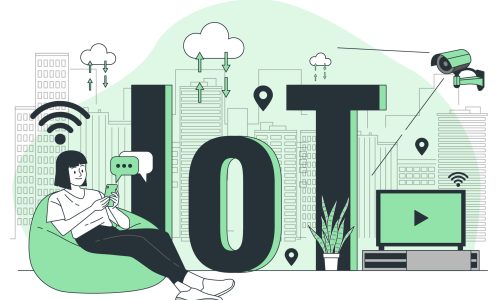
Internet of Things (IoT) connected devices, sensors, and smart systems
Course Description: The Internet of Things (IoT) course provides a comprehensive understanding of connected devices, sensors, and smart systems that power modern digital ecosystems. Students will learn how IoT works, its architecture, communication protocols, and real-world applications across industries like healthcare, smart cities, industrial automation, and home automation. Through hands-on projects, learners will gain practical experience in IoT hardware (Raspberry Pi, Arduino), cloud integration, edge computing, and IoT security, preparing them to develop smart, connected solutions for the future. Key Topics Covered: ✅ Fundamentals of IoT & Connected Devices✅ IoT Communication Protocols (MQTT, CoAP, HTTP)✅ IoT Hardware & Sensors (Raspberry Pi, Arduino)✅ Cloud Computing & Edge Computing in IoT✅ IoT Security & Data Privacy Challenges✅ Industry Applications: Smart Homes, Healthcare, Industrial IoT Prerequisites: Basic programming knowledge (Python/C preferred) and familiarity with networking concepts. Who Should Enroll?✔ Engineers & developers interested in IoT solutions✔ Tech enthusiasts exploring smart devices & automation✔ Business professionals leveraging IoT for digital transformation Join this course to build and deploy smart IoT solutions and shape the future of connected technology! 🚀
₹499.00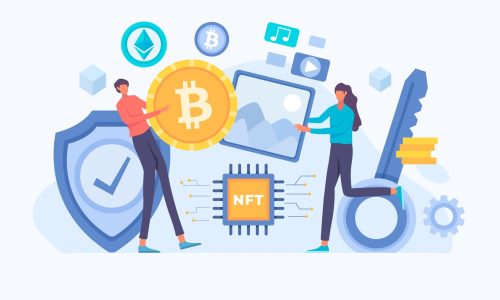
Blockchain & Cryptocurrency technology
Course Description: This course provides a comprehensive introduction to Blockchain technology and Cryptocurrency, covering fundamental concepts, real-world applications, and technical implementations. Students will learn how decentralized systems work, explore the mechanics of Bitcoin, Ethereum, and smart contracts, and gain hands-on experience in blockchain development and security. By the end of the course, learners will understand blockchain architecture, consensus mechanisms, DeFi (Decentralized Finance), NFTs, and Web3 applications, preparing them for careers in blockchain development, cryptocurrency trading, or fintech innovation. Key Topics Covered: ✅ Introduction to Blockchain Technology & Cryptocurrency✅ Bitcoin & Ethereum: How They Work✅ Smart Contracts & Solidity Programming✅ Consensus Mechanisms: Proof of Work (PoW) & Proof of Stake (PoS)✅ Decentralized Applications (DApps) & Web3✅ Security, Risks, & Future Trends in Blockchain Prerequisites: Basic programming knowledge (Python/JavaScript preferred) and an interest in finance or decentralized systems. Who Should Enroll?✔ Developers & engineers exploring blockchain technology✔ Investors & entrepreneurs interested in cryptocurrency & DeFi✔ Business professionals understanding blockchain applications Unlock the potential of decentralized technology and build the future of finance, security, and digital ownership! 🚀
₹499.00
Data Science & Big Data theory with hands-on projects
Course Description: The Data Science & Big Data course provides a deep dive into data-driven decision-making, covering key concepts in data analytics, machine learning, and big data technologies. Students will learn how to collect, process, analyze, and visualize large-scale data using tools like Python, R, SQL, Hadoop, Spark, and cloud platforms. This course blends theory with hands-on projects, helping learners develop statistical analysis, machine learning, and data engineering skills to tackle real-world challenges. Whether you’re an aspiring data scientist, analyst, or engineer, this course equips you with the knowledge to harness the power of data and big data ecosystems. Key Topics Covered: ✅ Fundamentals of Data Science & Big Data✅ Data Wrangling, Cleaning & Visualization✅ Statistical Analysis & Machine Learning✅ Big Data Technologies: Hadoop, Spark & NoSQL Databases✅ Cloud Data Platforms (AWS, Google Cloud, Azure)✅ AI-Powered Analytics & Real-World Case Studies Prerequisites: Basic programming (Python/SQL preferred) and familiarity with statistics. Who Should Enroll?✔ Aspiring data scientists & analysts✔ IT professionals & engineers transitioning into data science✔ Business professionals leveraging data for insights Join this course to master data science and big data analytics, and transform raw data into valuable business intelligence! 🚀
₹499.00
